 The Human Renaissance
Speaking / Workshops / Public philosophy
A serious question. A room that thinks.
Greek tragedy, moral judgment, and the human responsibilities behind powerful tools. Two concrete session proposals for hosts, educators, and learning communities.
01 / The Eternal Renaissance · Guided discussion
When Convictions
Collide.
What Antigone can teach us about judgment.
When should we stand firm, and when should we change our minds? Sophocles’ tragedy gives a group something more demanding than a simple contest between right and wrong: competing claims that require interpretation, argument, and attention to consequences.
Designed as a 60-minute session for adults, with no prior philosophy training required. A library, reading community, adult-learning group, or civic institution can begin with a short passage and a question that connects the text to a real dilemma.
Discuss hosting this session →Read a related work sample ↗02 / For educators · Workshop proposal
Can a Student Defend
an AI-Assisted Answer?
Evidence. Objection. Revision. Ownership.
A polished answer can conceal an unexamined argument. This workshop proposal asks what a student must be able to explain, defend, revise, and take responsibility for—even when a tool helped produce the words.
The exercise makes reasoning visible. Educators work through the same questions they might ask of a student, then consider how to adapt the approach to their own subject and learning goals.
Discuss the educator workshop →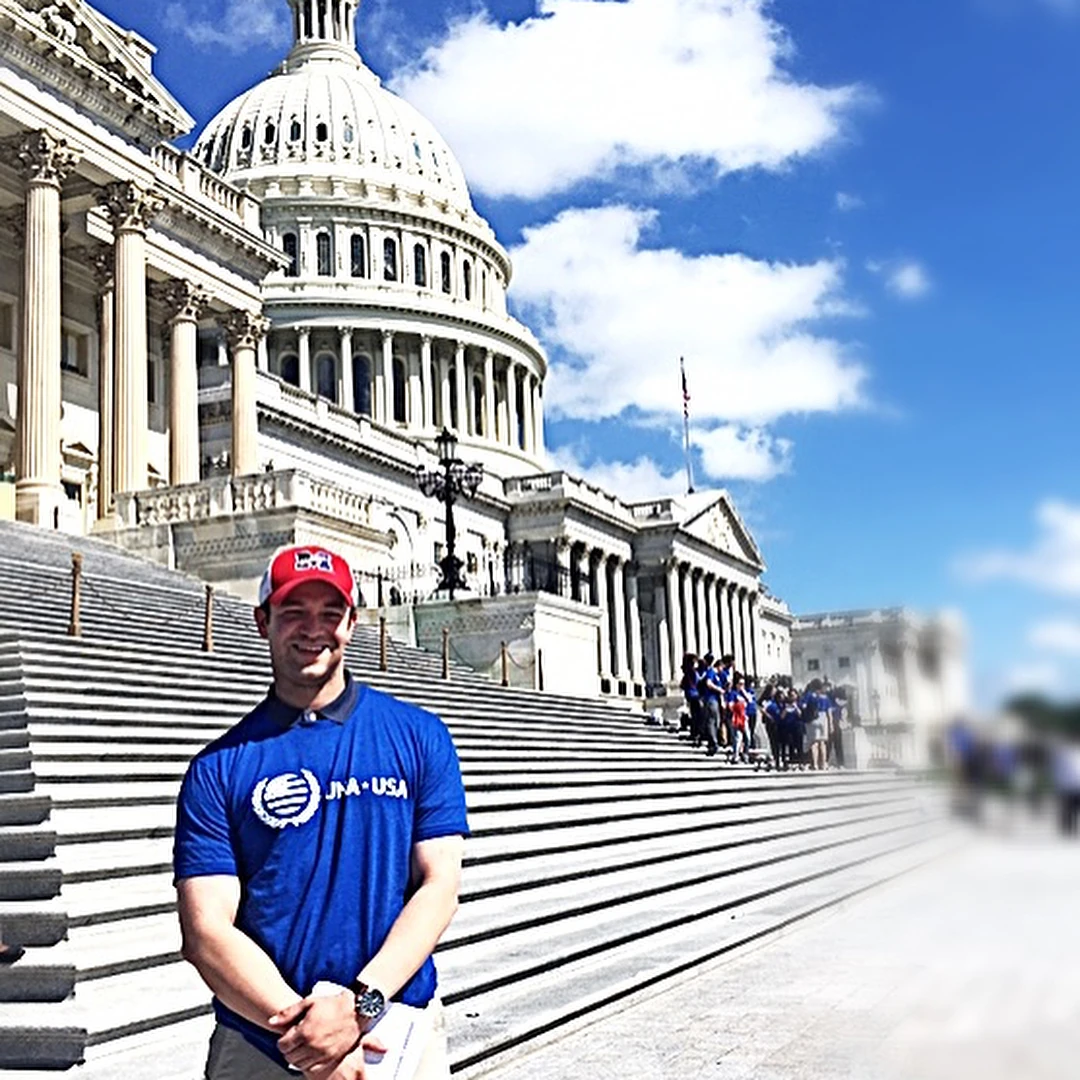
The person leading the conversation
From the classroom
to the common world.
Martin’s experience includes full-time middle-school social studies teaching at Bridge Academy West in Hamtramck, a congressional internship, a Michigan State Senate campaign, and continuing civic service.
His writing asks how inherited ideas become judgments and practices we can use in a shared human world.
Explore the professional record ↗Biography, photographs & media resources ↗A useful invitation
Tell me about the room.
The people
Audience, institution, and what brings people together.
The question
The challenge or idea you want the gathering to address.
The format
Guided discussion, educator workshop, interview, or a longer learning program.
The practical details
Date, location or online format, timing, budget, accessibility, and recording plans.